
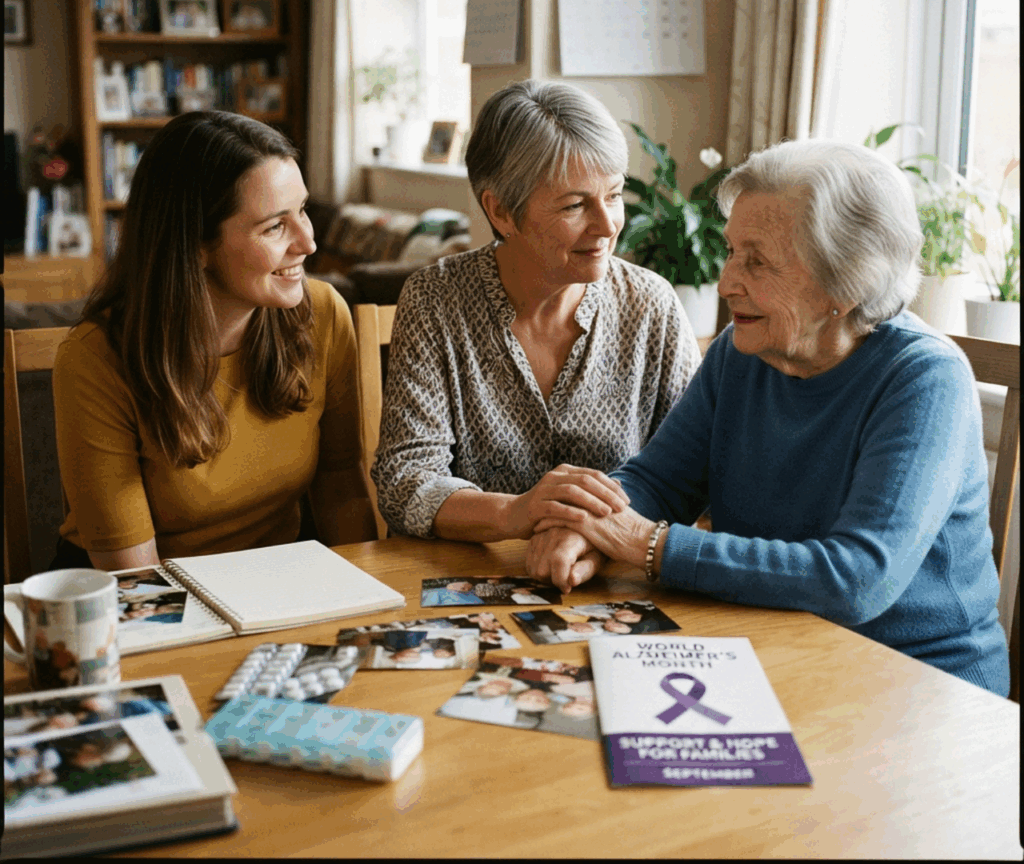
World Alzheimer’s Month is important because it gives families an opportunity to learn more about dementia, improve daily care routines, and find better ways to support loved ones with patience and understanding. It also encourages families and caregivers to focus on safety, meaningful activities, communication, and quality of life.
Observed every September, World Alzheimer’s Month brings attention to Alzheimer’s disease and the challenges that can affect individuals and their families. For families providing senior care, it is a useful time to review caregiving routines, strengthen support systems, and create a comfortable home environment.
Why Awareness Matters
Learning about dementia can help families better understand changes in memory, behavior, communication, and daily abilities.
Awareness can help families:
- Prepare for changing care needs
- Communicate more effectively
- Create safer routines
- Reduce confusion
- Provide more patient support
- Find appropriate professional resources
Better understanding can make everyday caregiving more manageable.
Create a Consistent Daily Routine
Familiar routines can make daily activities easier for some people living with dementia.
Families can create simple routines for:
- Waking and getting dressed
- Meals and snacks
- Personal care
- Medication schedules
- Rest periods
- Hobbies and activities
- Bedtime
Keeping activities predictable can provide a greater sense of comfort and familiarity.
Make the Home Safer
Home safety becomes increasingly important when memory or judgment changes.
Families can:
- Remove unnecessary clutter
- Improve lighting
- Secure potentially dangerous items
- Keep walkways clear
- Add appropriate bathroom safety equipment
- Make frequently used items easy to find
Regularly reviewing the home can help families identify new safety needs as circumstances change.
Use Clear Communication
Communication can become challenging as dementia progresses. A calm and simple approach can make conversations easier.
Caregivers can:
- Use short, clear sentences
- Ask one question at a time
- Give enough time for a response
- Maintain a calm tone
- Avoid unnecessary arguments
- Use familiar words and names
Patience and respectful communication can help reduce frustration for everyone.
Encourage Meaningful Activities
Activities can provide enjoyment, connection, and a sense of purpose.
Depending on individual interests and abilities, families can try:
- Listening to familiar music
- Looking through family photographs
- Gardening
- Folding laundry
- Simple crafts
- Reading
- Taking short walks
- Preparing easy meals together
Activities should focus on enjoyment rather than perfection.
Support Healthy Nutrition
Regular, nutritious meals are an important part of overall senior wellness.
Caregivers can encourage:
- Fruits and vegetables
- Whole grains
- Lean proteins
- Healthy snacks
- Adequate fluids
- Regular mealtimes
Making meals simple and familiar can help create a comfortable routine.
Encourage Safe Movement
Appropriate physical activity can support mobility and overall wellness.
Depending on individual abilities and professional guidance, activities may include:
- Walking
- Gentle stretching
- Chair exercises
- Simple household activities
- Light gardening
- Balance activities
Families should choose activities that are safe and suitable for the individual’s abilities.
Support Family Caregivers
Caring for a loved one with dementia can require time, patience, and planning. Family caregivers also need support.
Families can:
- Share caregiving responsibilities
- Schedule regular breaks
- Ask other relatives for assistance
- Connect with professional care providers
- Keep important information organized
- Communicate openly about changing needs
Caregiver support helps families maintain healthier and more sustainable routines.
Keep Important Information Organized
Good organization can make caregiving easier.
Keep important information in an accessible location, including:
- Healthcare provider contact details
- Medication information
- Emergency contacts
- Care preferences
- Appointment schedules
- Important household information
Updating this information regularly can help family members respond more confidently when support is needed.
Focus on Individual Preferences
Every person living with dementia is different. Their interests, routines, abilities, and preferences should guide daily care.
Families can learn more by considering:
- Favorite foods
- Preferred activities
- Familiar music
- Comfortable routines
- Personal interests
- Preferred communication styles
Person-centered support can make daily experiences more comfortable and meaningful.
Prepare for Changing Care Needs
Dementia care needs may change over time. Families can prepare by discussing future support early.
Planning may include:
- Reviewing home accessibility
- Considering professional caregiving support
- Discussing transportation needs
- Evaluating daily assistance
- Updating emergency plans
- Communicating with healthcare professionals
Early planning can reduce stress when additional support becomes necessary.
Build Meaningful Family Connections
Dementia does not remove the importance of family relationships. Simple moments can remain meaningful.
Families can spend time:
- Sharing stories
- Looking at photographs
- Listening to music
- Enjoying meals together
- Taking gentle walks
- Celebrating family milestones
The goal is to create comfortable moments of connection rather than focusing only on what has changed.
Final Thoughts
World Alzheimer’s Month reminds families that caring for someone with dementia involves more than managing daily tasks. It is also about creating safety, maintaining dignity, encouraging meaningful activities, and supporting quality of life. By learning about dementia, establishing consistent routines, improving home safety, supporting caregivers, and preparing for changing needs, families can provide thoughtful care while maintaining strong connections with their loved ones. September is a valuable time to learn, plan, and strengthen the support system around every family affected by dementia.
Legal Disclaimer: This post is strictly for educational use and should not be construed as professional advice (medical, legal, financial, or otherwise).